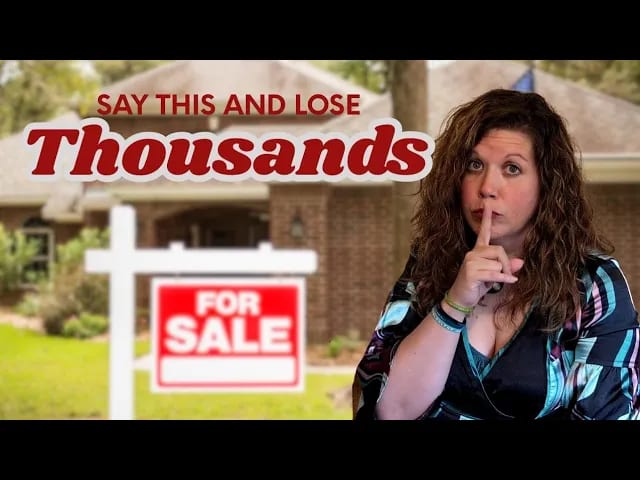

There’s a fine line between being open with your agent and oversharing. What you say—and how you say it—can either set your home sale up for success or quietly sabotage it.
Understanding what not to tell your realtor when selling can protect your pricing, negotiations, and overall strategy.
[Continue reading or watch instead on YouTube:]
I’m Not in a Rush to Sell
This is one of the most common phrases sellers say, and it instantly sends the wrong signal.
Telling your realtor you’re not in a hurry changes how your home is priced and marketed. The urgency disappears, and buyer follow-up becomes less aggressive.
Instead, be clear about your true goals. Is your priority the best price, a fast sale, or convenience? Being direct helps your agent tailor their plan without slowing down momentum.
My Home Is Perfect As Is
It’s natural to love your home. But telling your realtor it doesn’t need a thing? That’s a mistake.
Even the most beautiful properties usually benefit from small improvements before hitting the market. Think: decluttering, fresh paint, neutral staging, and letting in more light.
Being open to professional advice can make a huge impact on your final sale price. A few small tweaks can lead to a major return.
Here’s My Bottom Dollar
Sellers often feel pressure to share their lowest acceptable price. Don’t.
This number can unconsciously affect how your realtor negotiates. Even if it’s never directly shared, it might influence how a buyer’s offer is received or countered.
Stick to a price range, not a hard number. Let your agent guide pricing based on comps, trends, and local demand. It keeps the negotiation field strong and neutral.
I’m Emotionally Attached to the Home
Your home holds memories. But emotional attachment can cloud your judgment.
Sellers who let emotions lead often overvalue the property, push back on buyer feedback, or decline great offers for the wrong reasons.
Let your realtor keep a clear-eyed view of the market. Your memories don’t affect the appraisal—but your mindset can affect your sale.
Let’s Not Mention That
Never say “Let’s leave that out” when it comes to known issues.
Whether it’s a leaky roof, cracked foundation, or termite history, your agent needs the full story. Hiding problems doesn’t just risk the deal—it can lead to legal trouble.
Even in non-disclosure states like Arkansas, known material issues must be conveyed. Transparency builds trust and protects your interests.
I’m Selling Because of Divorce or Job Loss
This is a delicate one—but important.
Buyers don’t need to know your personal situation. Telling your realtor you're selling due to divorce, job relocation, or financial pressure can create a perception of urgency—and invite low offers.
You’re not required to disclose your reason for selling. A simple “our housing needs have changed” keeps the process focused and strategic.
The Neighbors Are Noisy
Yes, even this can affect how your home is presented.
Ranting about a barking dog or loud weekend parties might feel honest, but it’s not helpful. Buyers have their own priorities—and what drives you crazy might not bother them at all.
Let your property speak for itself. Encourage buyers to visit at different times of day to get their own impression. No need to point out every neighborhood quirk.
Next Steps
Your agent is your advocate—not your sounding board or confessional.
Knowing what not to tell your realtor when selling helps you maintain leverage, focus on strategy, and ultimately walk away with the best possible outcome. Be honest—but smart. Clear—but not emotional. Transparent—but not vulnerable.
Protect your sale by keeping the conversation professional, strategic, and rooted in your goals.
Check out this blog post where we dive deeper into ways on how to save money when selling.