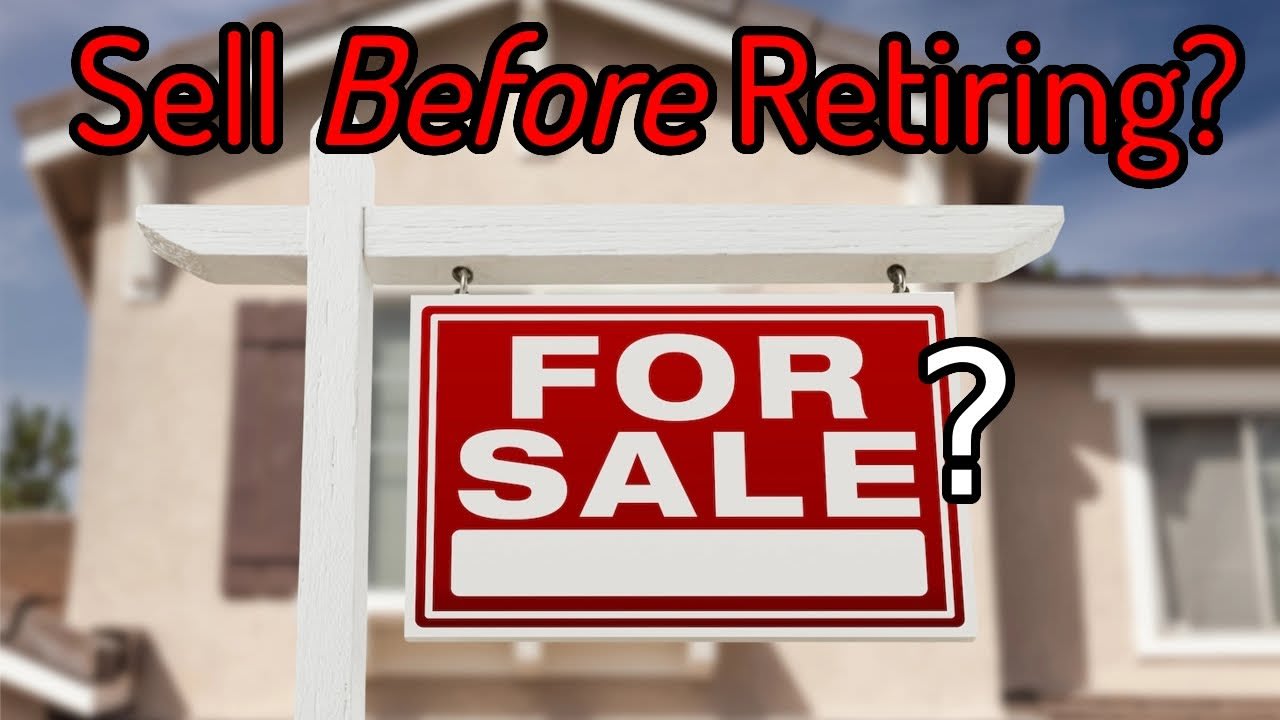

Retirement changes everything. Your schedule. Your income. Your daily rhythm. And eventually, it forces one pivotal question into the spotlight: **Should you sell your home before you retire? This decision affects more than real estate. It shapes your financial stability, lifestyle flexibility, and overall quality of life in retirement. Before making a move, it’s worth examining the full picture.
[Continue reading or watch instead on YouTube:]
Envisioning Retirement Beyond the Dream
Most people imagine retirement in broad strokes. Slow mornings. Family visits. Travel. Hobbies rediscovered.
But the real question is this: what does your average Tuesday look like? Your home influences that answer more than you think. Selling your home before you retire may create freedom. Or it may introduce unnecessary disruption.
Clarity starts with specificity.
The Financial Shift: Income to Assets
Retirement means transitioning from earned income to asset-based living. Savings, Social Security, pensions, and investments replace paychecks. That shift can feel abrupt.
Selling your home before you retire can create liquidity. It may eliminate a mortgage. It may reduce debt. It may bolster retirement accounts and strengthen your financial posture.
There’s another advantage many overlook. Qualifying for a mortgage while still employed is typically easier than after retirement. Lenders favor stable income. If you plan to buy again, selling your home before you retire can simplify the lending process. Timing here matters.
Does Your Home Fit Your Future?
Most homeowners purchased their property for a previous season of life. A growing family. Career proximity. School districts. Retirement has different priorities. Large homes require maintenance. Stairs become less practical. Expansive yards demand energy. Long driveways and distance from healthcare facilities can create friction.
Ask yourself three foundational questions:
Mobility: Is the home accessible long-term?
Maintenance: Does the upkeep align with the lifestyle you want?
Proximity: Are you close to healthcare, community, and the activities you value?
Selling your home before you retire may reduce physical strain and cognitive load. Less maintenance creates more mental space. And mental space is invaluable in retirement.
Market Conditions Can Influence the Decision
Sometimes the housing market answers the question for you. In a seller-favorable market, strong demand and limited inventory can increase home values. Selling your home before you retire during these conditions may maximize equity.
Waiting introduces uncertainty. Markets fluctuate. Competition shifts. Timing is not everything, but it carries weight. This is why thinking ahead can really be the difference between you being comfortable or scrambling to make ends meet.
The Emotional Undercurrent
Homes are not merely structures. They hold a lot of memories. Maybe Children grew up there. Probably holidays were celebrated there. Most likely, pets roamed those floors. Life unfolded within those walls. Letting go can feel monumental.
Yet sometimes, releasing one chapter allows the next to begin with greater ease. A home better aligned with your retirement vision can feel liberating. This is not about downsizing life. It is about recalibrating it.
The Logistics of Selling Before Retirement
There is a practical advantage to selling your home before you retire. You likely have more energy. More structure. More financial predictability.
Preparing a home for sale requires effort. Decluttering, staging, repairs, negotiations. Attempting that while simultaneously adjusting to retirement can amplify stress. Many successful transitions happen either well before retirement or well after. Selling in the final weeks of employment often creates urgency and loses negotiation leverage.
A measured approach protects both finances and peace of mind.
Choosing Your Next Community
Retirement often reshapes geography. Some move closer to children or grandchildren. Others seek water, trails, small-town tranquility, or possibly urban areas if you haven't been in them during your career. Some prioritize space for animals or hobbies. Others prefer minimalism.
Selling your home before you retire can create strategic freedom. It allows you to relocate deliberately rather than reactively. Location influences lifestyle. Lifestyle influences fulfillment.
You Don’t Have to Sell
Selling your home before you retire is not obligatory. If your home meets your financial parameters, mobility needs, and long-term goals, staying may be the optimal decision.
Some homeowners remodel instead. Elevators are installed. Laundry rooms are relocated. Accessibility features are added. Refinancing may adjust financial structures without requiring relocation. Comfort should dictate the decision. Not convention.
The Capital Gains Exclusion: A Crucial Consideration
Now for a technical detail that can significantly impact your outcome. The IRS allows homeowners to exclude up to $250,000 in capital gains if single, or $500,000 if married filing jointly, when selling a primary residence. To qualify, you must have owned and lived in the home for at least two of the previous five years.
Given the appreciation seen in many markets, this exclusion can preserve substantial equity. Selling your home before you retire while eligible may enhance your purchasing power for the next property. Consulting a qualified tax professional ensures compliance and optimization.
Overlooking this provision can be costly.
Aligning Home and Retirement
Selling your home before you retire is not a universal solution. It is a strategic decision. Financial readiness. Lifestyle aspirations. Health considerations. Market timing. Emotional attachment. Tax implications. Each element carries weight.
Retirement is not merely an end to employment. It is the beginning of intentional living. Whether you sell before retirement, after retirement, or remain where you are, the objective is simple: choose the path that provides stability, autonomy, and long-term satisfaction.
Thanks for stopping by, and have a blessed day!