
Why Rental Property Investing Works
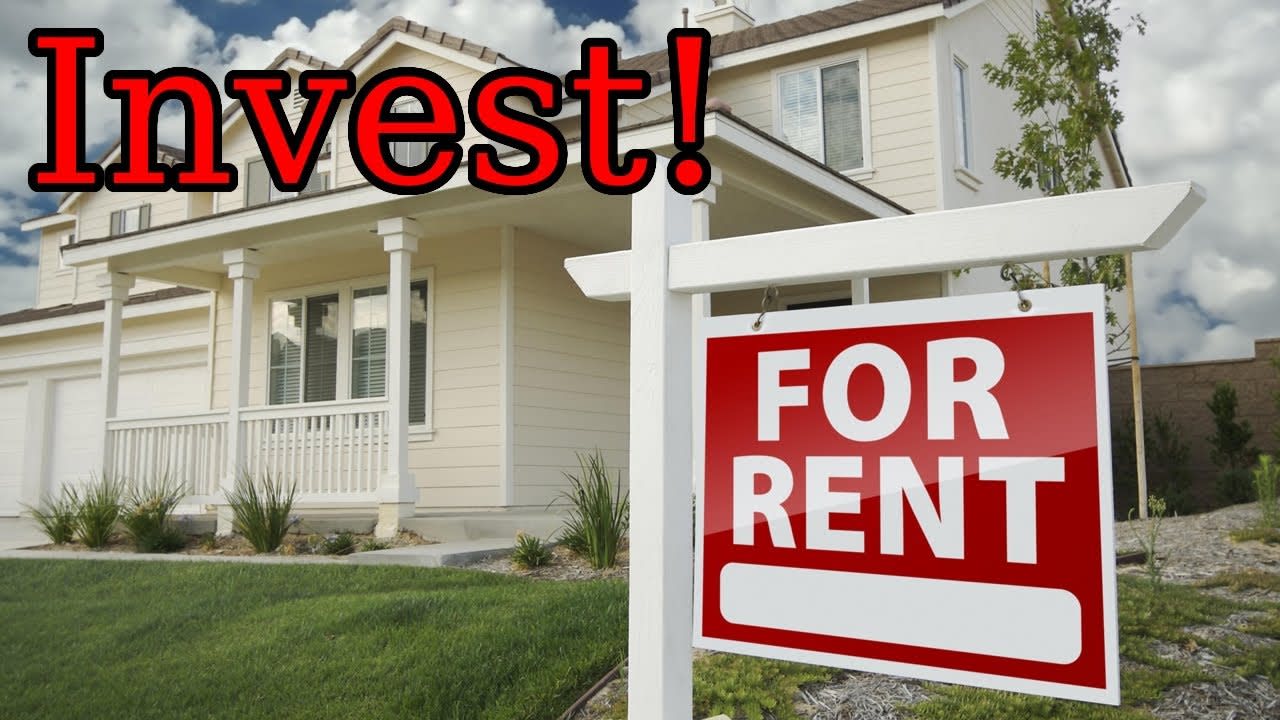
Rental property investing is a time-tested path to long-term wealth. Unlike the stock market, real estate provides multiple streams of income—monthly rent, property appreciation, and valuable tax benefits.
The demand for housing rarely disappears. People will always need a place to live, and that constant demand gives rental properties a level of stability that other investments can’t match. But this isn’t a get-rich-quick strategy. Rental investing takes careful planning, patience, and long-term vision.
[Continue reading or watch the video instead on YouTube:]
The Power of Passive Income
One of the biggest perks of rental investing is that it can create consistent monthly income. Rent payments can cover your mortgage, taxes, insurance, and ongoing maintenance—ideally leaving you with profit each month.
In the long term, you benefit from appreciation. Over the years, your property's value typically increases, building equity and adding to your net worth.
And if the market surges—like during economic booms or unexpected shifts—your property could gain even more value. You're earning now and building wealth for the future.
Avoid This #1 Beginner Mistake
The most common mistake? Choosing the wrong property. Not every house makes a good investment.
You want to focus on location, demand, and affordability. Look for areas with job growth, strong rental markets, and local amenities.
Talk to a local realtor. They know which neighborhoods are hot and which ones have untapped rental demand. Research the going rental rates in the area to ensure your potential income will cover all your costs.
Do the Math Before You Buy
Numbers don’t lie. Before buying any property, run the numbers to see if it’s a sound investment. A quick filter? The 1% rule. Your monthly rent should be at least 1% of the property’s purchase price. A $100,000 property should ideally rent for $1,000/month.
This isn’t a hard rule, but it helps weed out properties that just don’t offer cash flow. Remember to budget for vacancy periods, maintenance, capital improvements, and emergencies. Don’t forget: in real estate, surprises are expensive. Estimate conservatively.
Financing Your First Rental
You’ve got options. The most straightforward is a traditional mortgage, but you’ll need strong credit and a solid down payment—usually 20% to 30% for investment properties. Want to minimize your costs? Consider house hacking. Buy a duplex or triplex with an FHA loan, live in one unit, and rent out the others.
There’s also creative financing—seller financing, partnerships, or using home equity from your primary residence. Paying cash is ideal, but not always feasible. Just make sure your financial foundation is solid before diving in.
Should You Manage It Yourself?
Managing a rental property is work. You’ll need to screen tenants, handle repairs, chase down late rent, and respond to emergencies. Doing it yourself saves money—no property manager fees—but it takes time and thick skin.
Hiring a property manager can make the process hands-off. In Arkansas, you’ll pay around 10% to 15% of the monthly rent. They’ll handle everything from leases to maintenance and just send you the profits.
Plus, if you manage the property yourself, you might qualify for a QBI (Qualified Business Income) tax deduction—up to 20% off your taxable income. But you must treat it like a real job and track your hours.
Watch Out for These Costly Pitfalls
Vacancy and repairs are two of the biggest expenses investors forget to plan for. Even in high-demand markets, homes can sit empty—sometimes for months.
Natural disasters, fires, or even tenant-caused damage can derail your profits.
And don't skimp on renovation costs—most homes need more than you think. Always budget extra.
Another rookie mistake? Poor tenant screening. Use background checks, credit checks, and rental history. A bad tenant can cost thousands.
Even tenants who look perfect on paper might not work out. That’s why consistent, documented screening processes matter.
Inspections Are Non-Negotiable
Before buying a property, always get a professional home inspection. It can save you from inheriting a money pit.
Once tenants move in, conduct quarterly inspections. They help spot issues like leaks, unauthorized pets, or rule violations.
Regular walkthroughs prevent small problems from becoming big ones—and they reinforce tenant accountability.
Start Small, Think Big
Rental property investing works best with a long-term strategy. Start with one property, build your confidence, and scale from there.
Be methodical. Run the numbers. Do your due diligence. The wealth-building power of rental property investing is real—but only when you approach it the right way.
For more on owning real estate and understanding the hidden costs of homeownership, check out this related post.