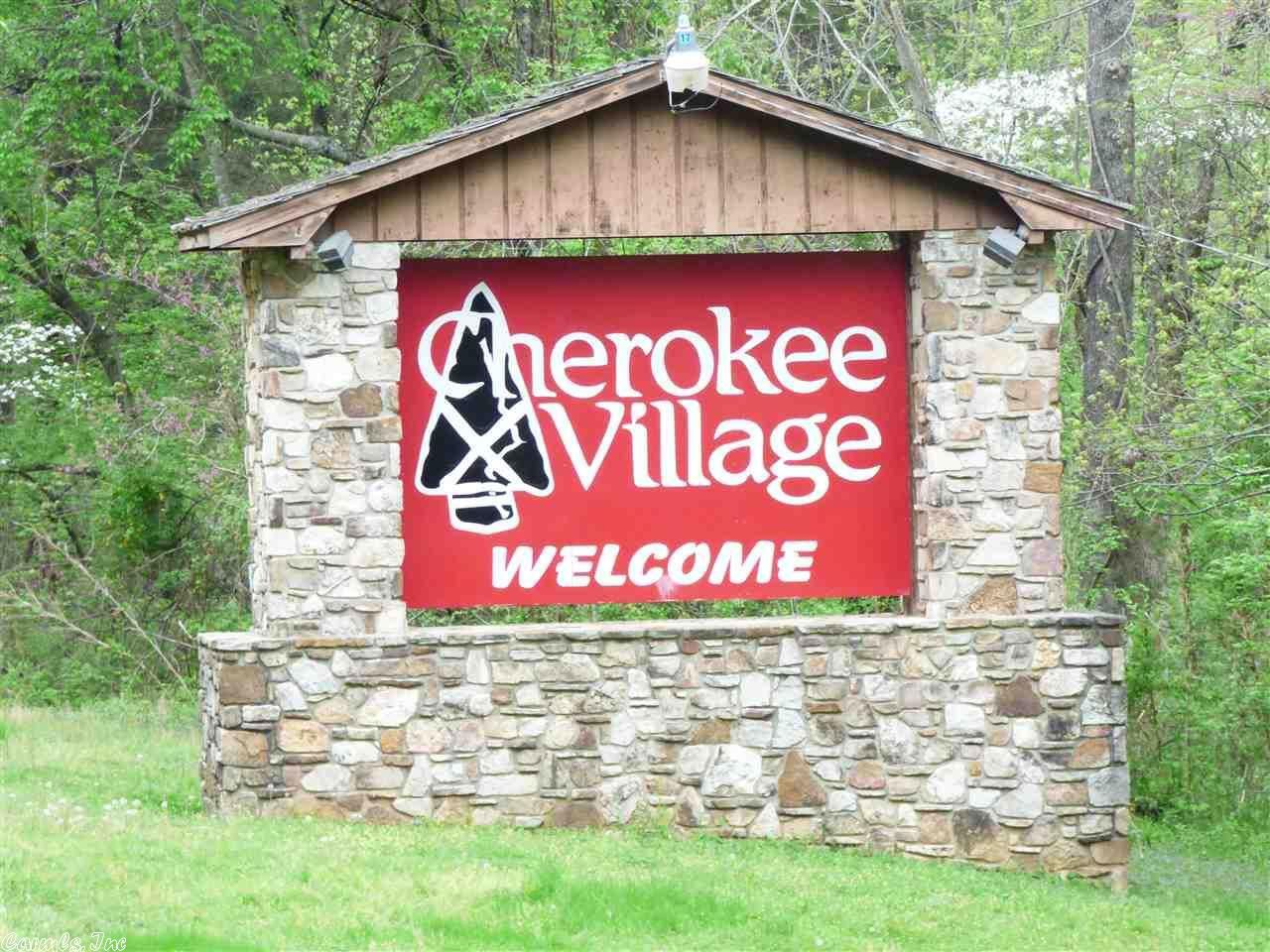

You’re thinking about planting roots in beautiful Cherokee Village, Arkansas!
You’re probably already scrolling through lakefront properties and imagining life by the water. But before you get swept away by the charm of the Ozarks, there are fundamental questions you must ask your realtor.
These questions—sourced directly from the community and often brought up by buyers just like you—are the key to mitigating stress, saving money, and ensuring your new property perfectly aligns with your lifestyle.
[Continue reading or watch instead on YouTube:]
Is Cherokee Village a Resort or a City?
This is the most common query, and the answer clarifies the area’s demographic character. Cherokee Village is best described as a residential community with resort-like amenities, not an age-restricted retirement community.
While many residents are retired and enjoy the lakeside lifestyle, the area also supports a robust working-age population. The Exception is a 55+ community in the Manor Homes in Horseshoe Bend.
Even retired residents require local support staff, healthcare workers, and tradespeople. You’ll find a diverse blend of people in Cherokee Village, Highland, Ash Flat, and Horseshoe Bend.
Are There Fees Associated with Living in Cherokee Village?
When evaluating your monthly costs, it’s critical to distinguish between your property assessments and user fees.
As a property owner in Cherokee Village, you are mandated to pay SID (Subdivision Improvement District) assessments on your annual tax bill. These assessments fund the maintenance of communal infrastructure like the roads, lakes, and common areas.
However, payment of the SID assessment does not equate to free usage of all amenities. You must still pay for many recreational activities:
- Pools, Golf, and Fitness: You will pay green fees, trail fees, and annual access fees (like the $100 fee for the Omaha Community Center fitness center).
- Property Owner Discount: property owners pay $2.50 to swim at the community pool, while a non-owner pays $5.00.
There are, thankfully, several free amenities available to property owners and guests, including access to Gigtchegumee Beach on Lake Sequoyah and designated parks around the lakes for boat launching and access.
Where Are the Water and Sewer Lines?
Especially when considering vacant land or homes outside the main subdivisions, knowing your utility setup is paramount. Septic vs. Sewer:
- Sewer access is not common in this area. Very few locations have a public sewer system.
- Sewer Access: Generally limited to townhomes, some riverfront properties, and specific lakeside/golf course subdivisions in Horseshoe Bend.
- Septic System: You should anticipate a septic system. For vacant land, installing a septic system is the standard procedure, and morphology testing of the land must be completed prior to, to ensure the ground will adequately absorb the excess.
- For water and electricity, the services are usually available at the main road, even for properties outside of city limits. You would be responsible for extending the hookups from the road to your build site. In city limits like Cherokee Village, you benefit from municipal water supply.
Are Tiny Homes Allowed?
Building Rules: Tiny Homes and Permitting - If your dream is to build a modest dwelling, you need to understand the local regulatory framework.
The term “tiny home” is subjective. When people inquire, you must first define "tiny" to them. A 1,000 square-foot home might be considered tiny here, and those are plentiful.
- Minimum Square Footage: Most Cherokee Village subdivisions have a minimum build requirement of approximately 1,000 square feet. Some areas in Horseshoe Bend permit smaller homes, possibly down to 800 square feet (including a carport), or even 600 to 700 square feet for the heated and cooled space.
- Bill of Assurance: Every subdivision operates under its own Bill of Assurance, which details minimum size requirements, setbacks, and animal restrictions. You should obtain and review this document before purchasing a lot.
- The Building Permit Process: Even after you purchase a property, you are not instantly permitted to begin construction or clearing.
- City Approval: All building plans and even significant tree removal require permits from the city. Plans must comply with minimum square footage rules, setback requirements, and other local ordinances.
Avoid Surprises: I always encourage buyers with unusual plans, such as living in an RV or building a large separate structure, to speak with the city planning office before closing.
Can I Live on My Property in an RV?
No, this is generally not allowed full-time.
Beware of Lifestyle and Finances for RVs, HOAs, and Taxes! Several questions frequently arise from those new to the area.
- Cherokee Village: RVs can be parked on a gravel or cement pad for a maximum of 72 hours for temporary use (e.g., loading up for a trip or housing visiting guests).
- Horseshoe Bend: Allows RVs on a property for up to six months while a home is actively under construction.
Are There HOA Fees?
The majority of properties in Cherokee Village, Horseshoe Bend, and surrounding towns do not have traditional Homeowners Association (HOA) fees or governance.
- HOA Exceptions: The exceptions are the Town Homes (Cherokee Village) and Manor Homes (Horseshoe Bend), which have mandatory fees (e.g., $960 annually in Cherokee Village) to cover exterior maintenance and exclusive amenities.
- SID is Not HOA: The SID assessment is a tax for infrastructure maintenance, not an HOA fee for neighborhood restrictions.
What are the Property Taxes Like?
Compared to the national average, property taxes here are generally low. This is one reason the area’s infrastructure, such as roads and sidewalks, may not be as extensive as in larger cities.
Home Value (Ballpark) Estimated Annual Taxes (County + SID): $100,000∼$675; $300,000 (Lakefront)∼$1,500; $500,000 (Large Lakefront)∼$4,500