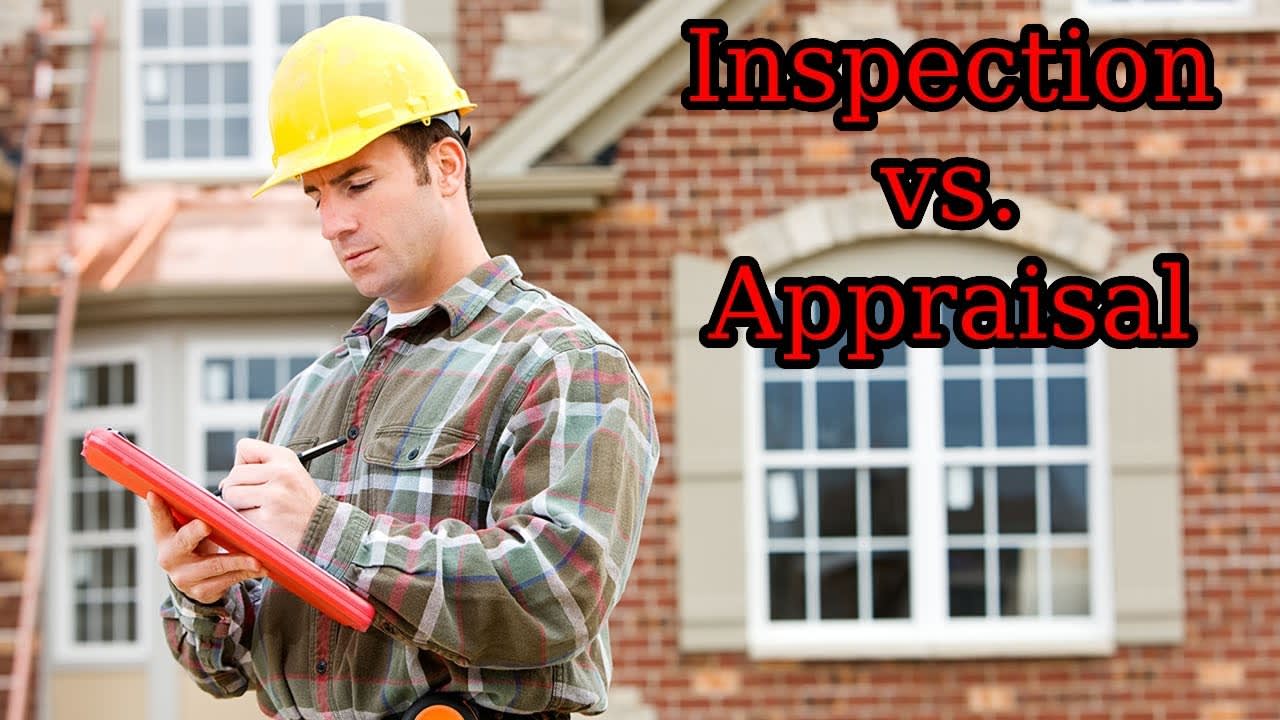

Buying a home is a monumental decision, and understanding the process can save you thousands. Two crucial steps—appraisal and inspection—often get confused, yet they serve very different purposes. Ignoring either can lead to financial headaches, unexpected repairs, or even a deal falling apart. Here’s what you need to know.
[watch on YouTube instead or continue reading]
What Is a Home Appraisal?
A home appraisal determines a property's market value. Lenders require it before approving a mortgage to ensure they’re not financing more than the home is worth.
A licensed appraiser evaluates:
- The home’s square footage, condition, and unique features
- Comparable property sales in the neighborhood
- Current market trends that impact value
The final appraisal report dictates how much the lender is willing to finance. If the appraisal comes in lower than the agreed-upon price, the buyer must negotiate with the seller or pay the difference.
What Is a Home Inspection?
Unlike an appraisal, a home inspection has nothing to do with market value. It’s a deep dive into the home’s structural integrity, safety, and functionality.
A professional inspector examines:
- Foundation, roof, and walls for structural issues
- Plumbing, electrical, and HVAC systems for functionality
- Any potential safety hazards or needed repairs
An inspection provides buyers with a clear picture of the home's condition, helping them decide whether to negotiate repairs, request a price reduction, or walk away.
Do You Need Both?
Yes. An appraisal is required by lenders, while an inspection is for the buyer’s peace of mind. If you are buying cash, you don't NEED an appraisal, but you can get one as a buyer or seller if you like.
Skipping an inspection might save a few hundred dollars upfront but could cost thousands in hidden repairs. Appraisals don’t check for mold, faulty wiring, or foundation cracks—only inspections do.
A lender only cares about protecting their investment, while an inspection ensures you’re making a smart one.
Who Pays for an Appraisal and Inspection?
Both are typically buyer expenses and must be paid upfront.
- Appraisal Cost: $500–$800, sometimes included in closing costs, but more often paid up front. Higher costs are for secondary market loans (VA, FHA, RD) with a quality inspection required as part of the appraisal.
- Inspection Cost: $400–$700, depending on location and home size. Plus, there are add-ons available for mold, radon, septic and more.
While optional, an inspection is one of the best investments a buyer can make. Uncovering major defects before closing gives you leverage to negotiate or reconsider the purchase.
How Appraisals and Inspections Affect the Sale
Either process can disrupt or even derail a home sale.
- Low Appraisal: The lender won’t finance the full amount, requiring renegotiation or additional out-of-pocket funds. If a new appraisal can't be ordered or the appraiser won't reevaluate the pricing provided, the sale may be terminated.
- Inspection Issues: Buyers may request repairs, negotiate a lower price, or walk away if problems are extensive. Of course there is always the potential of no repairs needed, which makes everyone happy.
A strong real estate agent can help navigate these hurdles, ensuring the transaction moves forward smoothly.
What Happens After Each One?
- Appraisal Outcome: The lender reviews the report and decides whether to approve the loan. If the appraisal is too low, buyers may need to renegotiate or provide extra funds. This step is usually completed right before closing.
- Inspection Report: Buyers receive a detailed breakdown of the home’s condition. They can accept the property as-is, request repairs, or negotiate a price reduction. This is completed early on in the buying process, usually right after acceptance.
Each step protects different interests, but both are essential for making a confident home purchase.
Final Thoughts
An appraisal protects the lender. An inspection protects the buyer. Both serve distinct purposes and skipping one can lead to costly surprises. Before purchasing a home, ensure you understand these processes fully. It’s not just about securing a loan—it’s about securing a solid investment. If you're interested in learning more about the buying process and other terms that can get confused, check out this blog regarding earnest money and down payments. Thanks for stopping at our website and have a blessed day!